

The rapid expansion of digital banking has brought with it a sophisticated surge in voice phishing, or vishing, where fraudsters impersonate banking officials to bypass security protocols. These fraudulent calls rely entirely on psychological manipulation, creating a false sense of urgency to bypass rational scrutiny. Attackers exploit fear by fabricating critical scenarios, such as an immediate account freeze, an unauthorized high-value transaction, or a pending tax penalty. To maximize credibility, they frequently deploy caller ID spoofing software, making the incoming call appear to originate from the bank’s legitimate customer care numbers.
Advanced tactics
Advanced tactics now involve sophisticated social engineering and AI-driven voice cloning. Fraudsters often cross-reference data harvested from the dark web, quoting a victim's recent transaction history, partial card numbers, or full legal name to lower their defenses. The ultimate objective is to trick the user into revealing sensitive authentication pillars: passwords, card verification values (CVVs), or one-time passcodes (OTPs). Once shared, these credentials grant attackers immediate access to initiate fraudulent fund routing through networks of untraceable mule accounts.
The core rule of banking security is absolute: financial institutions will never initiate an unsolicited call demanding confidential credentials or directing the immediate transfer of funds to a "safe account." True defensive posture requires an immediate termination of any suspicious interaction. If a caller requests sensitive information or creates panic, the user should hang up immediately and verify the claim independently. Contact the financial institution directly using only the official telephone number printed on the back of a physical debit or credit card, or via their authenticated mobile application. Taking this mindful pause entirely eliminates the urgency advantage that fraudsters rely on to compromise digital assets.
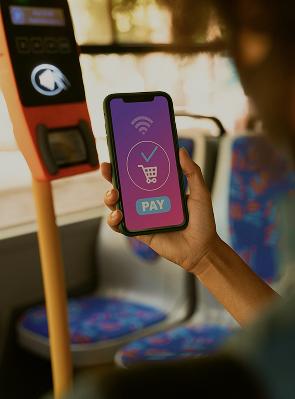
Safeguard your personal assets
To safeguard personal assets against these tactics, maintain strict adherence to these operational boundaries:
- Never Share Credentials: Financial institutions will never call to ask for passwords, Card Verification Values (CVVs), or One-Time Passcodes (OTPs) under any circumstances.
- Reject Remote Access Requests: Hang up immediately if a caller demands the installation of remote desktop applications (like AnyDesk or TeamViewer) to fix a banking issue; this grants them complete control over your device.
- Identify Panic Tactics: Treat any call demanding immediate money transfers to "secure safety accounts" or requiring instant verification to prevent account suspension as an absolute red flag.
- Verify Independently: If a call raises suspicions, terminate the connection immediately. Cross-verify the claim by dialing the official customer care number printed on the reverse side of your physical debit or credit card.
The core rule of banking security remains absolute: taking a mindful pause entirely eliminates the urgency advantage that fraudsters rely on to compromise digital assets.